Warsaw, Poland | 14–18 September 2026
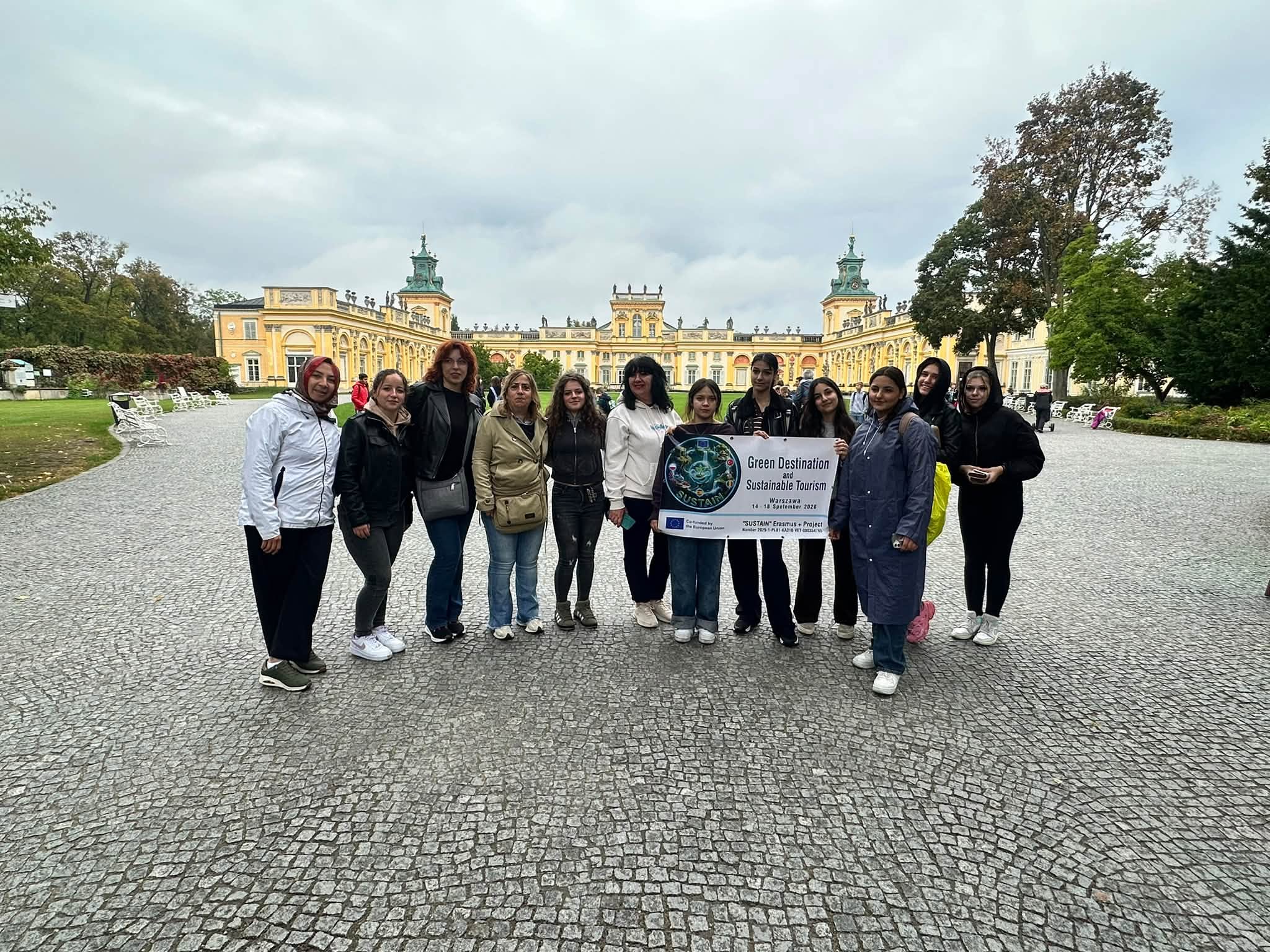
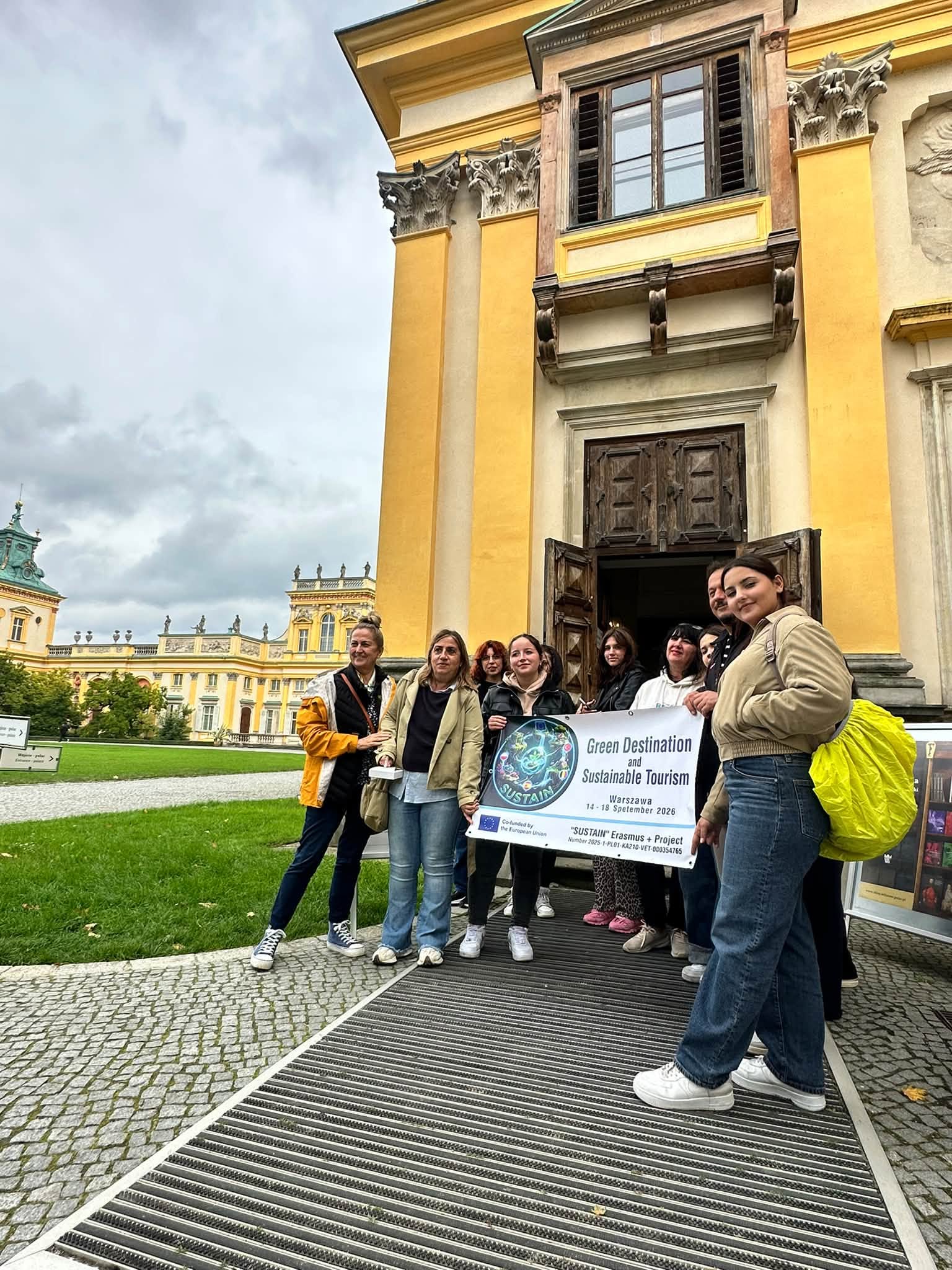
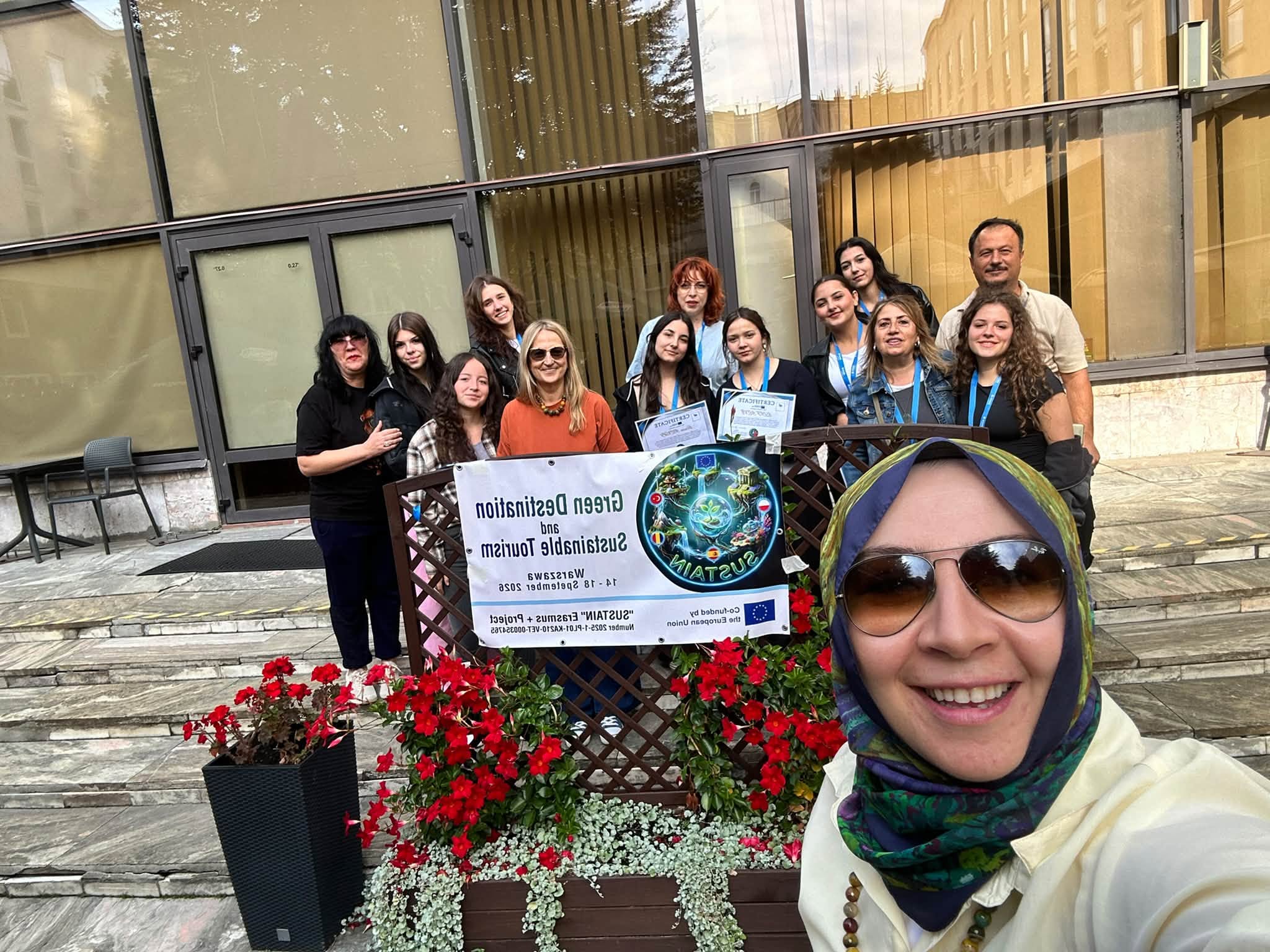
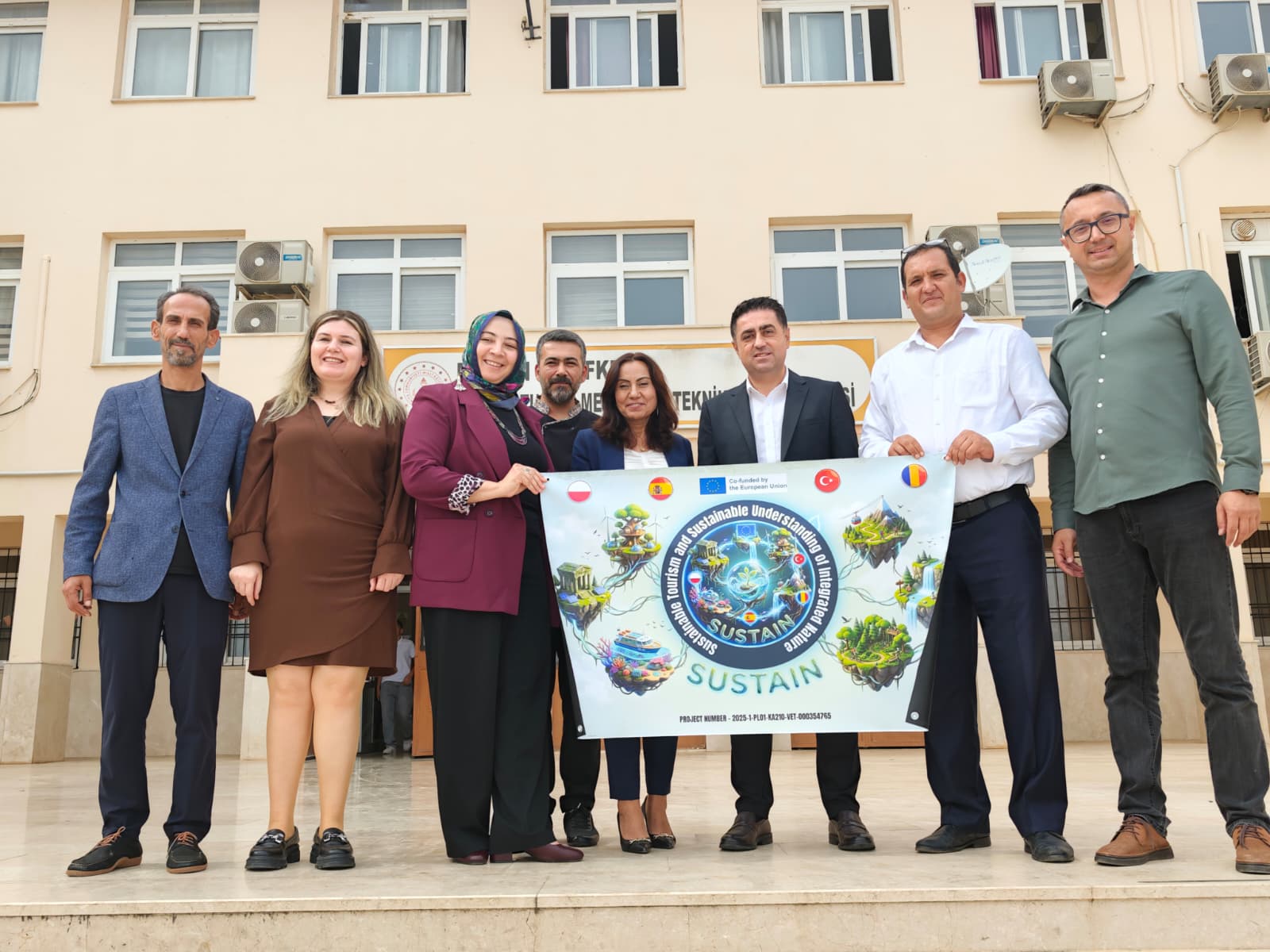
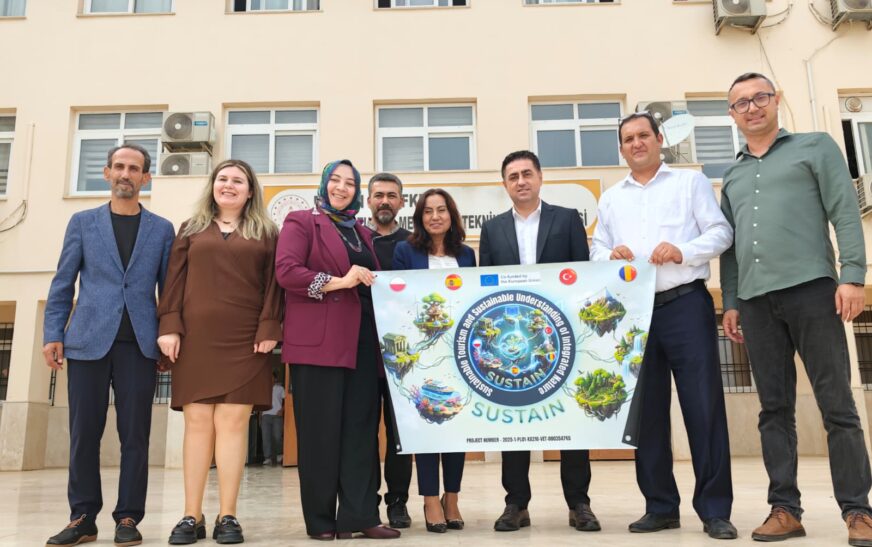
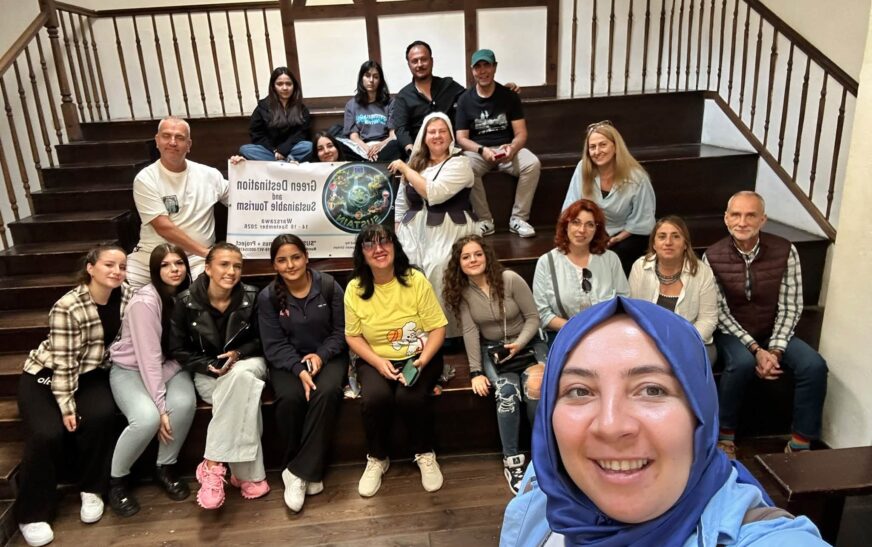
The Erasmus+ KA210-VET project “Sustainable Tourism and Sustainable Understanding of Integrated Nature – SUSTAIN” continued its international learning activities with a five-day mobility programme held in Warsaw, Poland, from 14 to 18 September 2026.
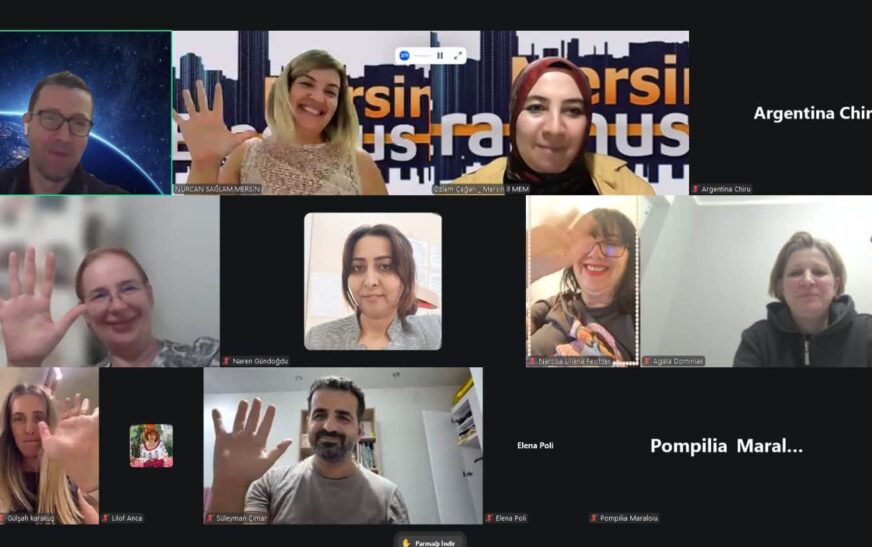
Hosted by Stowarzyszenie Wiedza Innowacja Rozwój (WIR), the Polish partner of the project, the mobility brought together participants from Poland, Spain, Türkiye and Romania under the theme of “Green Destination and Sustainable Tourism.”
The programme focused on sustainable tourism, environmental responsibility, cultural heritage, local gastronomy, ecotourism, responsible use of natural resources and the preservation of local traditions.
Exploring the Green Destination Concept
The mobility began with an introduction to the concept of a Green Destination. Participants discussed how tourism destinations can combine environmental protection, cultural identity, local development and responsible use of resources.
During the activities, participants shared information about their local cultures and traditions and explored how the hospitality sector can contribute to sustainable tourism through environmentally friendly practices, responsible resource management and stronger links with local communities.
Visits and observations in Warsaw provided participants with practical examples of how sustainability can be integrated into tourism and hospitality services.
Culture and Heritage in Sustainable Tourism
Cultural heritage was another important dimension of the programme.
Participants explored the relationship between local traditions, cultural identity, gastronomy, heritage and sustainable tourism. The activities highlighted the importance of preserving local culture while creating authentic and responsible tourism experiences.
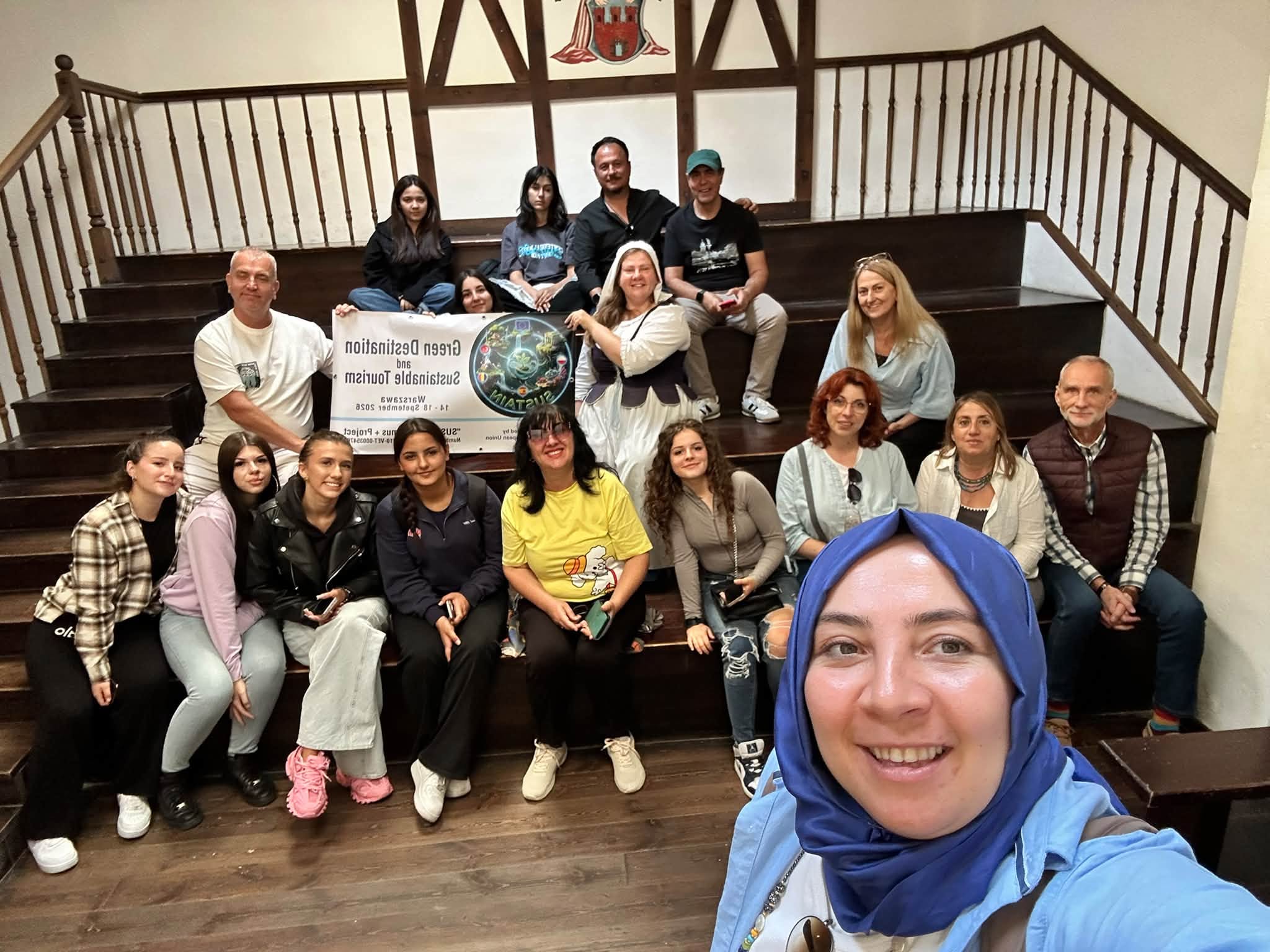
A cultural visit to Toruń enabled participants to experience Polish heritage and reflect on how historical and cultural destinations can contribute to sustainable tourism development.
Ecotourism and Protection of Natural Resources
The programme also focused on ecotourism and the protection of natural resources.
Participants discussed the role of ecotourism in nature conservation, responsible consumption and sustainable destination management. Good practices from Poland were examined, and participants reflected on how similar approaches could be transferred to their own local and educational contexts.
A visit to the Mazowiecka Regional Tourism Organisation provided further insight into regional tourism initiatives, cooperation with local stakeholders, ecotourism, local cuisine, regional products, cultural heritage and responsible use of resources.
Participants also worked on ideas for local green destination initiatives and sustainable tourism practices that could be adapted and implemented in their own communities.
Local Gastronomy and Zero-Waste Practices
Local gastronomy played an important role in the mobility programme.
Participants explored the connection between culinary culture and sustainable tourism, with particular attention to the use of local and seasonal products, traditional recipes and zero-waste kitchen practices.
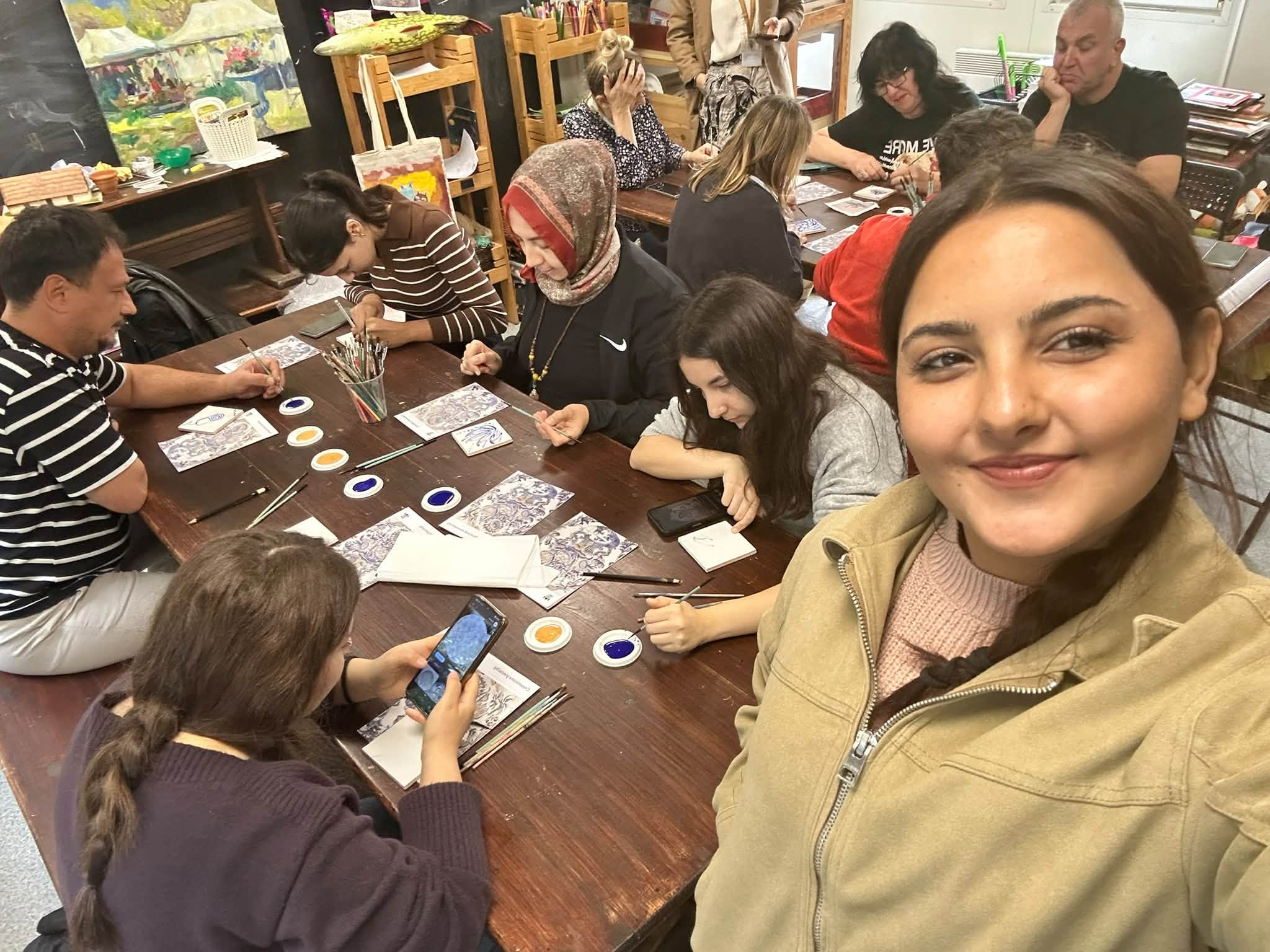
Through practical activities, food culture was approached not only as part of cultural heritage but also as an important element of sustainable tourism.
The “Grandmother Recipes Workshop” focused on preserving traditional culinary knowledge and sharing it with future generations and visitors. Participants discussed how traditional recipes could be documented, promoted and transformed into digital learning content.
Discovering Sustainable Local Production
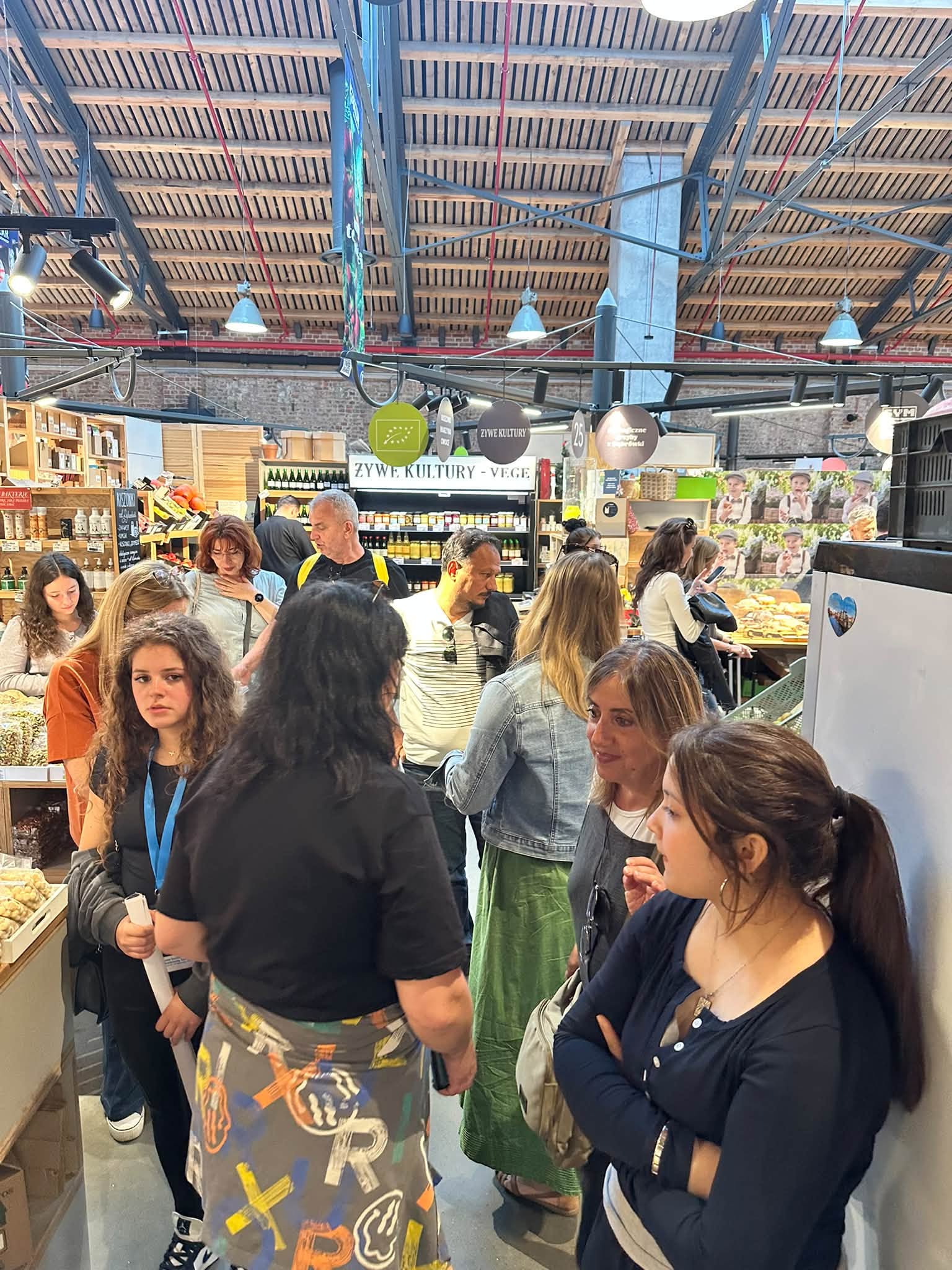
The programme also included a visit to BioBazar Warszawa, where participants explored examples of organic, artisanal and locally produced goods.
The visit demonstrated the importance of local producers, seasonal products, responsible consumption and environmentally friendly production in supporting local economies and sustainable tourism.
Learning Together for a Greener Future
Throughout the Warsaw mobility, participants combined learning, observation, practical activities and intercultural exchange.
The programme increased awareness of how tourism can contribute to the protection of natural resources, preservation of cultural heritage, support for local communities and producers, reduction of waste and promotion of responsible consumption.
The mobility also strengthened cooperation among the SUSTAIN project partners and created new opportunities for transferring sustainable tourism practices into vocational education and local learning environments.
Under the message “Different Cultures – A Shared Planet,” the Warsaw mobility reflected the common vision of the SUSTAIN project:
People, places and cultures can build a greener future when sustainability becomes a shared responsibility.